The Ground Cover Replacing Grass In Boise Yards (And It Smells Amazing)
Creeping thyme is having a moment - and for good reason. Here's why we recommend it constantly, how to use it well, and what else is worth considering for low-water ground cover in our climate.
Walk across a patch of creeping thyme on a warm afternoon and you'll understand immediately why people are replacing their lawns with it. That smell - herby, warm, a little spicy - is the smell of a yard that's actually working with you instead of against you.
Creeping thyme has quietly become one of the most talked-about lawn alternatives in the Treasure Valley, and we recommend it constantly in our designs. But before you rush to plant it everywhere, there are some things worth knowing - including one important fact that a lot of gardening content gets wrong.
First - the honest truth about creeping thyme
Creeping thyme (Thymus serpyllum) is native to Europe and western Asia - not Idaho. It is not a native plant. We want to be clear about that, because we believe in being honest about what's native and what isn't in our designs.
That said - it is extremely well-adapted to our climate, it is not currently classified as invasive in Idaho, and it is one of the best-performing ground covers we know of for Treasure Valley conditions. Non-native doesn't mean bad. It just means we call it what it is: a well-adapted, well-behaved, extraordinarily useful plant that earns its place in a thoughtfully designed yard.
With that out of the way - here's why we love it.
Why creeping thyme works so well in the Treasure Valley
It's genuinely drought tolerant
Once established, creeping thyme needs very little supplemental water in our climate. It's adapted to the Mediterranean and we're in a semi-arid steppe - similar enough that it feels right at home. In a climate where we get 10 to 15 inches of rain per year and almost none between June and September, a plant that shrugs at that and keeps growing is genuinely valuable.
It's frost hardy to zone 3
Hard frosts in the Treasure Valley? No problem. Creeping thyme is rated hardy to zone 3, which means it handles our zone 6 to 7 winters easily. It may go semi-dormant in a hard winter but comes back reliably every spring. We've never lost a creeping thyme planting to a Treasure Valley winter.
It holds moisture and suppresses weeds
The dense mat growth of creeping thyme shades the soil beneath it, which reduces water evaporation and suppresses weed germination. In a climate where water conservation is genuinely important - especially in dry years - a ground cover that actively helps retain soil moisture is doing real ecological work.
The pollinators love it
In summer, creeping thyme produces tiny pink to purple flowers that bees absolutely swarm. Walk past a patch in full bloom and the hum of bee activity is audible from several feet away. It consistently attracts multiple bee species and butterflies, making it one of the higher-value pollinator plants you can use as ground cover - which is rare. Most ground covers are pollinator deserts.
It tolerates light foot traffic
Unlike most lawn alternatives, creeping thyme can handle being walked on occasionally - not heavy daily use, but a path through the garden, stepping stones surrounded by thyme, or light foot traffic across a smaller area. This makes it genuinely functional as a lawn replacement in low-traffic zones.
The smell is not a small thing. Every time you walk through it, brush against it, or run a hose across it, it releases that herby fragrance. Clients consistently tell us it's one of the things they love most about their yards after we plant it. A yard that smells good is a yard you actually want to be in.
How to use creeping thyme well
As a lawn replacement in low-traffic areas
This is the classic use and it works beautifully. Replace a strip of grass, a side yard, or a front lawn area with creeping thyme and you'll save water, eliminate mowing, and end up with something that looks and smells far better than what you replaced. Give it space to spread - plant plugs 6 to 12 inches apart and let it fill in over one to two seasons.
Between pavers and stepping stones
One of the best uses for creeping thyme is filling the gaps between stepping stones or pavers. It softens the look of a hard path, releases fragrance when stepped on lightly, and eliminates the weeds that would otherwise fill those gaps. Low-growing varieties like Thymus serpyllum 'Elfin' are ideal for this use.
On slopes and banks
Creeping thyme is excellent for slope stabilization. It spreads horizontally and roots as it goes, which helps hold soil on dry sunny slopes where erosion is a concern. In the Treasure Valley where we have a lot of south-facing slopes baking in afternoon sun, this is a genuinely practical application.
As a companion plant
Creeping thyme pairs beautifully with taller native plants. Plant it as a ground layer beneath penstemon, rabbitbrush, or lavender for a layered design that covers multiple heights and functions. The thyme handles weed suppression and moisture retention at ground level while the taller plants provide structure and additional habitat.
Honest limitations
We wouldn't be doing our job if we didn't tell you when something isn't the right fit. Creeping thyme is not ideal for:
Heavy foot traffic areas - if you have kids running back and forth across the yard every day, creeping thyme will struggle. It tolerates light traffic but not constant heavy use. For high-traffic areas, consider decomposed granite paths or a more durable ground cover.
Shady or damp spots - creeping thyme needs full sun and well-drained soil. A north-facing area that stays moist is not where it wants to be. Planted in the wrong conditions it will rot, not thrive.
Instant results - creeping thyme spreads slowly in the first season while it establishes its root system. Don't expect full coverage in year one. By year two it looks established, by year three it looks intentional and beautiful. Give it time.
Other low-water ground covers worth knowing
Creeping thyme is our most recommended ground cover but it's not the only option. Here are three others that perform well in Treasure Valley yards:
Well-adapted non-native
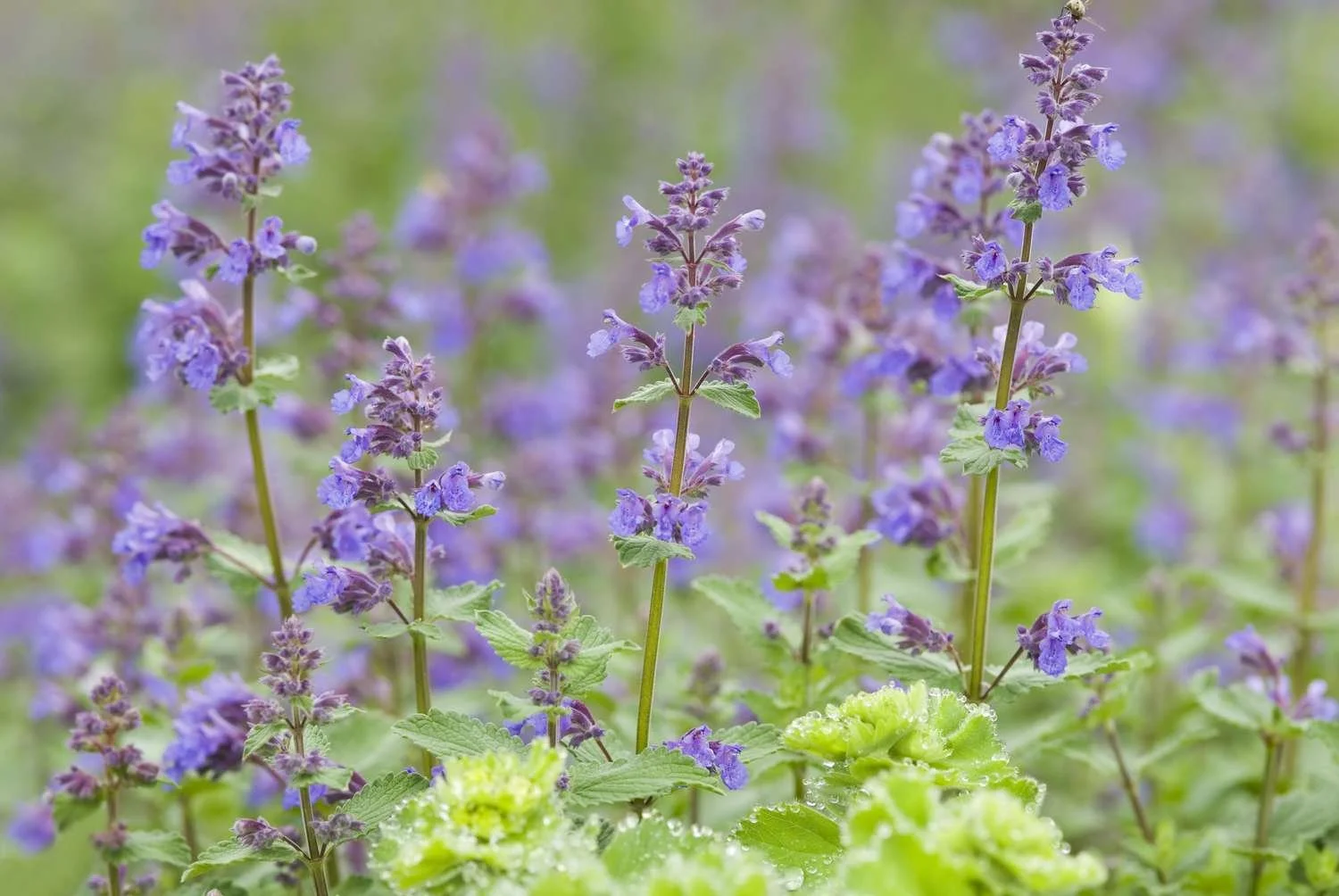
Catmint
Nepeta spp.
Water: Low
Sun: Full sun
Attracts: Bees
Height: 12-18 inches
Taller than creeping thyme but still low-growing, catmint produces long-lasting blue-purple flowers that bees can't resist. Cut it back after the first bloom and it often reblooms. Extremely drought tolerant and heat resistant once established - one of the most reliable plants in a Treasure Valley summer.
Native
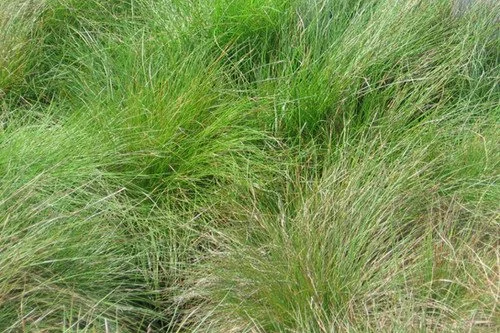
Idaho Fescue
Festuca idahoensis
Water: Very low
Sun: Full sun - part shade
Attracts: Birds, native insects
Height: 6-12 inches
A fine-textured native bunchgrass that creates a beautiful naturalistic lawn alternative. Stays green through drought, requires almost no maintenance once established, and is native to our region - which means it's also doing genuine ecological work. Pairs beautifully with creeping thyme for a mixed ground cover effect.
Native
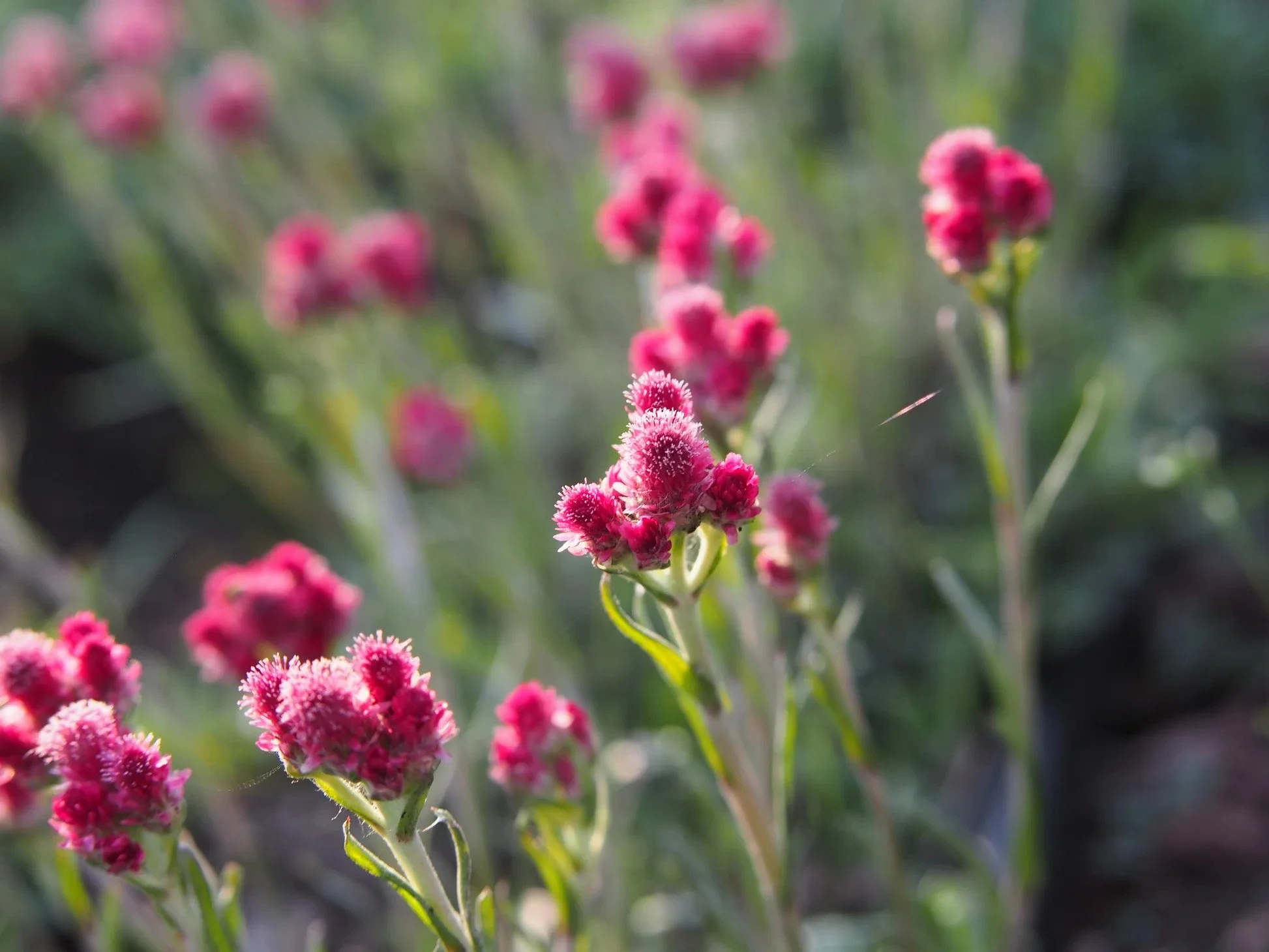
Rosy Pussytoes
Antennaria rosea
Water: Very low
Sun: Full sun
Attracts: Native bees, butterflies
Height: 2-4 inches
A low-growing native ground cover that forms a silver-gray mat and produces small pink and white flowers in June and July. Extremely drought tolerant, handles poor alkaline soils beautifully, and is genuinely native to our region. Less common than creeping thyme but worth seeking out for a design that leans more heavily native.
Where to find these locally: Draggin' Wing High Desert Nursery (waterthriftyplants.com) carries creeping thyme, Idaho fescue, and a rotating selection of other low-water ground covers. The Idaho Native Plant Society Pahove Chapter spring sale is your best source for rosy pussytoes and other true natives.
Want a ground cover plan built for your specific yard?
The right ground cover depends on your sun, your soil, your slope, and what you're trying to solve. A Soil & Story design figures all of that out for you. Start with The Conversation - 90 minutes, $250, credited toward any full design.
Download the free Treasure Valley Permaculture Starter Guide for our complete low-water plant list, soil tips, and climate breakdown.
[ Get the free guide → ]